Knee Replacement Patient Story
A middle-aged man’s journey towards relief from knee pain through knee replacement surgery.
If your knees hurt for a long time, you might look for the best knee replacement surgeon in Delhi. When medicine stops working, this surgery can help you move without pain.
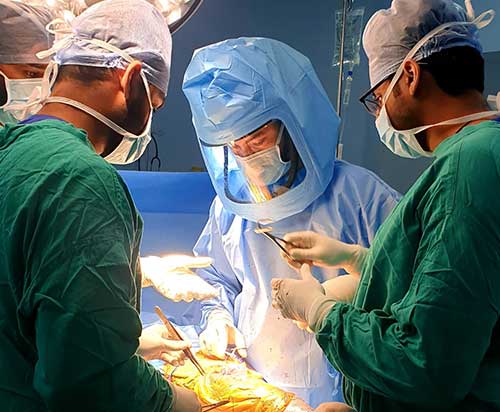
Dr. Nikhil Verma is an experienced knee and joint replacement surgeon in Delhi, specializing in total knee replacement, partial knee replacement, robotic knee replacement, revision knee replacement and complex knee replacement surgery. He is associated with Sant Parmanand Hospital, Delhi, and also sees patients at his Advanced Ortho Gynae Centre in Ashok Vihar.With specialized training in joint replacement and experience of 1,500+ hip and knee replacement surgeries, Dr. Nikhil Verma provides personalized treatment for patients suffering from advanced knee arthritis, persistent knee pain, stiffness, deformity and difficulty walking. He evaluates each patient carefully and recommends knee replacement only when it is appropriate for their condition and lifestyle.

Watch videos of happy patients feeling better. You can find our clinic and hospital on Google, too.
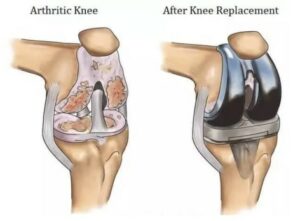
This surgery replaces damaged knee parts with strong new ones. The hurt bone and cartilage are removed, and safe metal and medical-grade plastic parts are placed so the knee can bend and carry weight more comfortably.
Choosing the best knee replacement surgery in Delhi starts with a careful knee check. Surgery may be advised when pain, swelling or stiffness does not improve with medicines, injections, physiotherapy or regular doctor visits.
The right choice depends on how much your knee hurts, your age, your activity level and the part of the knee that is damaged.
The whole knee joint gets new parts. This is commonly done when the complete knee joint is badly damaged.
If only one part of the knee is damaged, only that area is fixed while healthy bone is preserved.
If an older knee replacement becomes loose, painful or stops working well, it can be corrected carefully.
Very bent or badly damaged knees need advanced planning, careful technique and specialist implant choices.
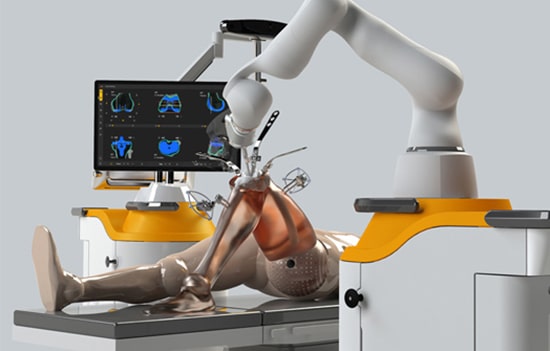
A robotic system helps the surgeon map your knee on a screen and plan the implant placement. The doctor performs the surgery, while the system helps with accurate planning and positioning.
The best knee replacement surgery in Delhi is the one that fits your knee, health and lifestyle. Dr. Verma will explain whether robotic help is suitable for you.
What happens from your first visit until you go home.
We examine your knee, review X-rays and talk about your pain.
Blood tests, heart checks and anaesthesia fitness are done for safety.
You come to Sant Parmanand Hospital and get prepared for surgery.
You are given anaesthesia so you do not feel pain. New knee parts are placed in about 1 to 2 hours.
Most people walk with support within one or two days.
You go home with medicines, care instructions and healing exercises.
You visit again so healing, walking and knee movement can be checked.
Healing is different for everyone. It depends on your body, your surgery type and how regularly you do your exercises. A usual path looks like this:
These timelines are general. Your doctor will guide you according to your progress.
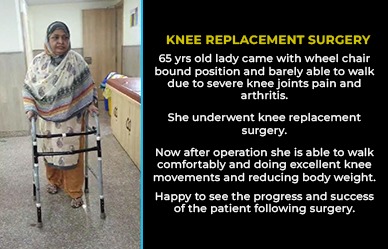
A middle-aged man’s journey towards relief from knee pain through knee replacement surgery.
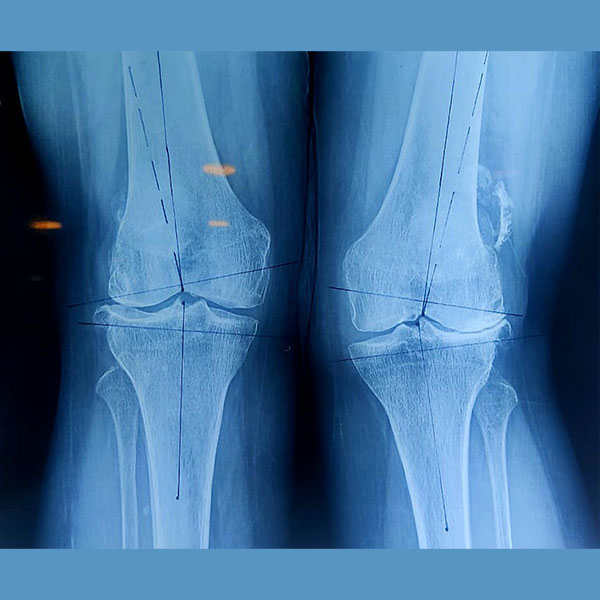
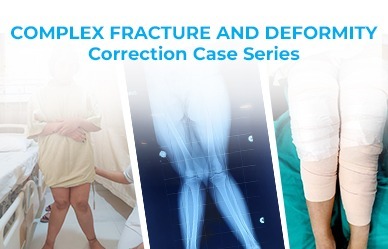
A 65-year-old woman with painful valgus knees underwent replacement. Postoperative X-rays showed straight, balanced knees.
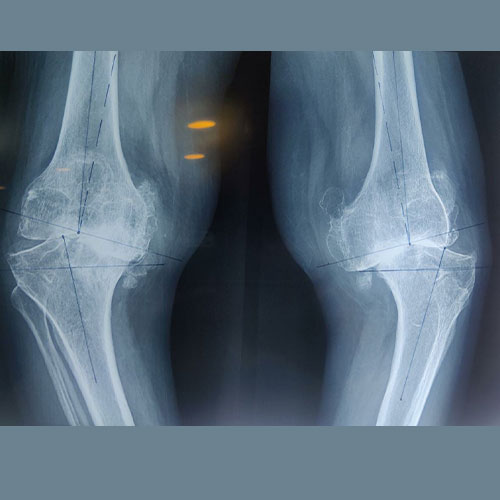
Severe varus deformity and arthritis were treated with a planned knee replacement at Sant Parmanand Hospital.
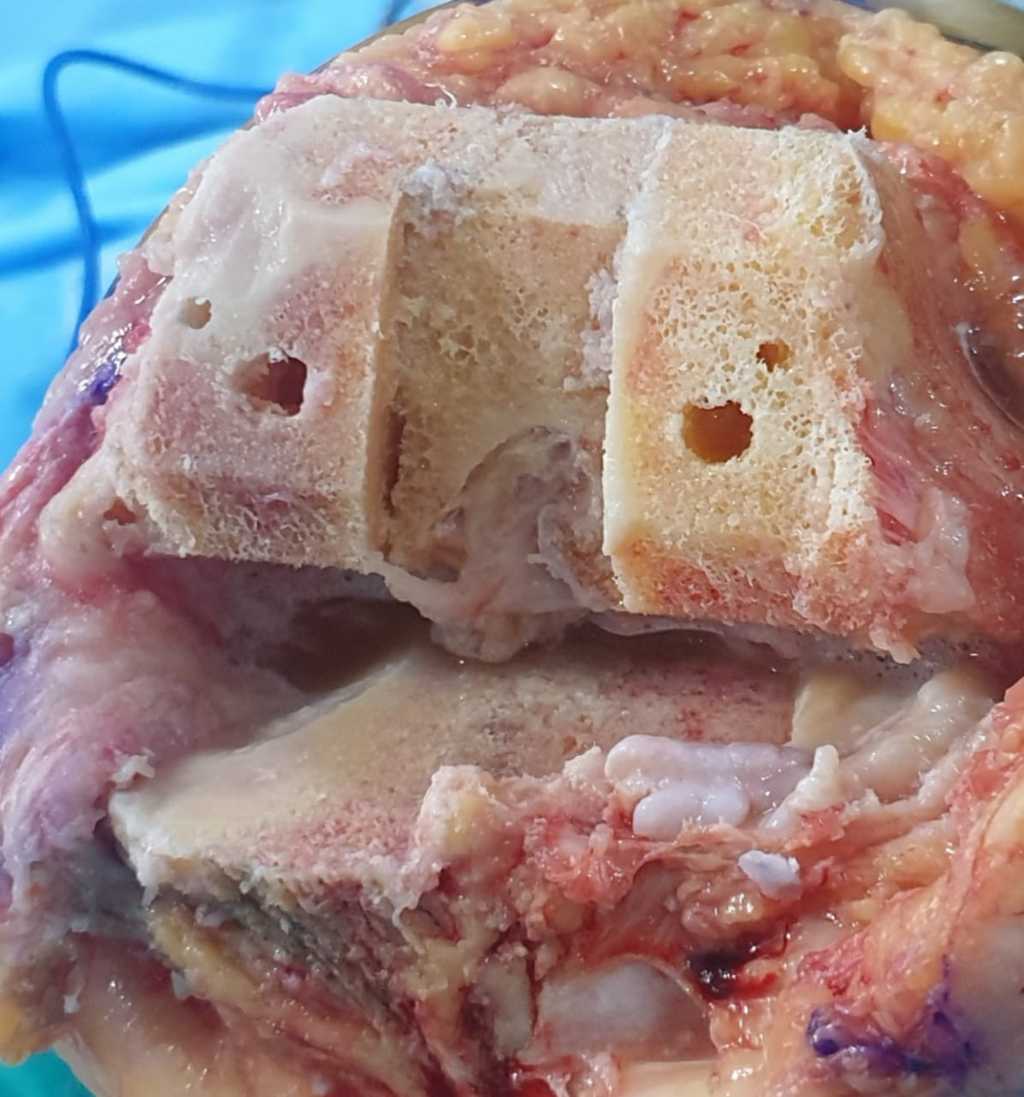
A 65-year-old woman with advanced arthritis and deformed knees underwent robotic knee replacement.
You will likely walk in a day or two. In about a month, many people can do normal daily activities. Getting fully strong can take a few months of exercises.
Yes, it is commonly done for older people after a careful health check. Choosing an experienced knee replacement surgeon in Delhi helps keep the process planned and monitored.
The actual surgery usually takes about 1 to 2 hours. Anaesthesia, preparation and recovery-room time are extra.
Modern knee implants can last 15 to 20 years in many patients. Body weight, activity level and regular follow-up affect long-term results.
Total knee replacement treats the whole knee joint. Partial knee replacement fixes only the damaged part when the rest of the knee is still healthy.
A robotic system helps with planning and precise positioning. Whether it is right for you depends on your knee condition, so Dr. Verma will explain both options.
Some soreness is normal at first. Medicines, ice, early movement and physiotherapy help pain improve day by day.
Walking, swimming and cycling are usually good choices. Heavy jumping or rough sports are generally avoided to protect the new knee.
The cost depends on the surgery type, implant, hospital room and your health. Call the clinic for a case-specific estimate.
Please see an orthopaedic surgeon if knee pain disturbs sleep, walking, stairs or daily activities, or if medicines and physiotherapy no longer help.
Book a visit with Dr. Nikhil Verma at Ashok Vihar Clinic or Sant Parmanand Hospital.